Guides
Roof Rack or Hitch Carrier?
The first real decision, and the one most people skip. Getting it right saves money, fuel and a lot of lifting.
Roof & Route is funded by affiliate commission. If you buy through a link on this page we may earn a commission at no extra cost to you. It never decides what we recommend or the order we recommend it in — read the full disclosure.
Put bulky, light things on the roof and heavy, dense things on the hitch. A hitch carrier loads at waist height, costs far less fuel and is usually cheaper. A roof carrier is the answer when you have no receiver, when the hitch is needed for a trailer, or when the load is long rather than heavy.
Most people never consider the hitch, buy a roof box, and then discover they are lifting a suitcase over their head at a motel. This page exists to happen before that.
Quick picks
Tap any row to jump to the full write-up below. Scores are our editorial judgment on published specifications — not a star rating, and not a product we claim to have tested.
| # | Product | Best for | Score | Price |
|---|---|---|---|---|
| 1 | 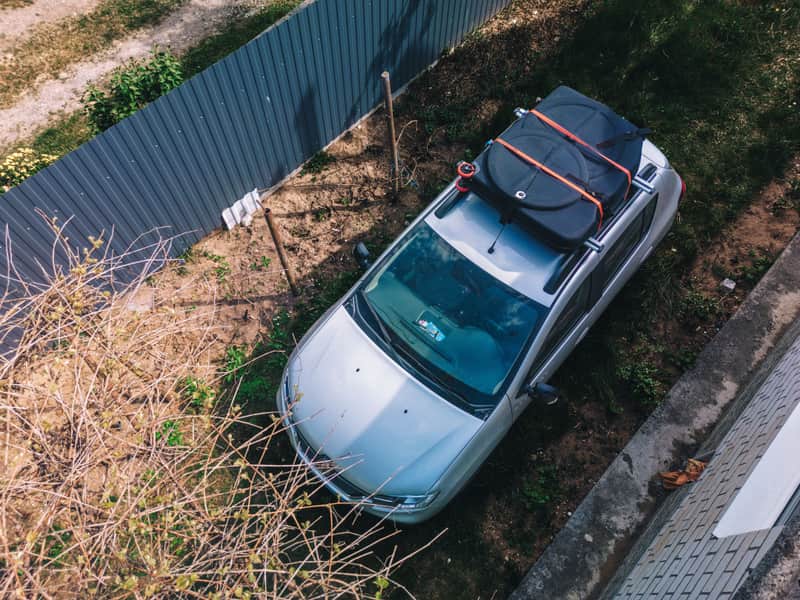 MaxxHaul 70107If you have a 2-inch receiver, this is the least money that gets you five times a roof's capacity at waist height. | The hitch route, cheapest | 7.9 | |
| 2 | CURT 18153 Folding Cargo CarrierThe folding angled shank keeps the rear hatch usable, which is what makes a hitch carrier livable day to day. | The hitch route, with hatch access | 8.5 | |
| 3 | 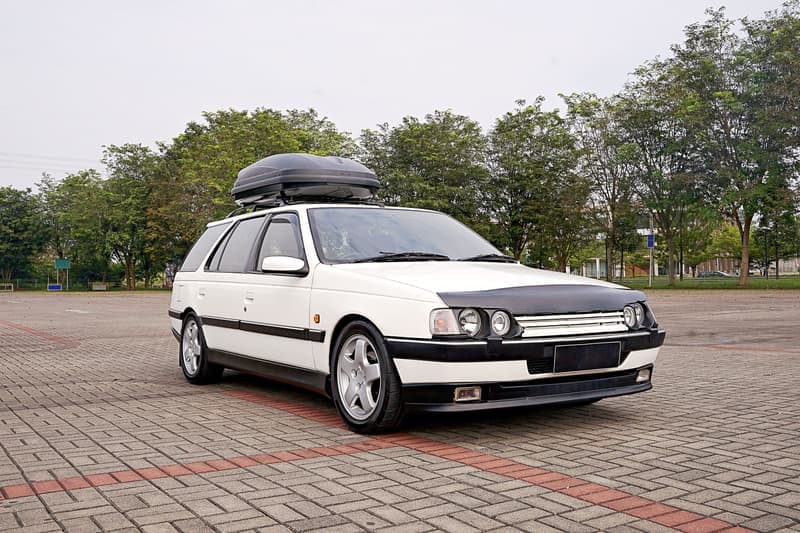 Thule Force 3If the load is bulky and light and the roof is where it has to go, this is the sensible box. | The roof route | 8.3 |
Prices checked September 25, 2026. Product photographs are representative stock images, not the exact unit. Affiliate disclosure.
#1 · The hitch route, cheapest
MaxxHaul 70107
If you have a 2-inch receiver, this is the least money that gets you five times a roof's capacity at waist height.
- Basket
- 60 x 20 inches
- Rated capacity
- 500 lb
- Receiver
- 2-inch
- Shank
- Fixed
What works
- Huge capacity for the money
- Waist-height loading
- Small fuel penalty
What doesn’t
- No weather protection
- Does not fold
- Blocks the hatch
Our scoring
7.9overall
#2 · The hitch route, with hatch access
CURT 18153 Folding Cargo Carrier
The folding angled shank keeps the rear hatch usable, which is what makes a hitch carrier livable day to day.
- Basket
- 60 x 20 inches
- Shank
- Folding, angled
- Material
- Steel
- Receiver
- 2-inch
What works
- Folds flat when empty
- Clears tall hatches
- Robust
What doesn’t
- Heavy
- Expensive
Our scoring
8.5overall
#3 · The roof route
Thule Force 3
If the load is bulky and light and the roof is where it has to go, this is the sensible box.
- Type
- Hard shell
- Opening
- Both sides
- Sizes
- Roughly 300 to 610 liters
- Needs
- Crossbars
What works
- Weather protection and locking
- Wide size range
- Quiet
What doesn’t
- Large fuel penalty
- Overhead loading
- Needs bars
Our scoring
8.3overall
The comparison
| Roof | Hitch | |
|---|---|---|
| Loading height | Overhead | Waist |
| Fuel penalty | Large — 13-19% in published tests | Much smaller |
| Weight limit | Roof limit, often 100-176 lb including bars | Tongue weight, often 200-800 lb |
| Weather protection | Excellent with a box | Needs a bag or a cover |
| Security | Lockable box | Poor |
| Rear access | Unaffected | Blocked unless it folds |
| Long items | Good — a roof is long | Poor |
| Cost of entry | Bars, feet, fit kit, then a carrier | A carrier, if you have a receiver |
The weight argument is decisive
Most cars publish a dynamic roof limit between 100 and 176 lb, and that includes the bars and the carrier. After a 15 lb bar set and a 50 lb box, you may have 85 lb of packing allowance.
A Class III hitch is commonly rated at 500 lb or more of tongue weight. After a 60 lb carrier, that is over 400 lb. Five times the capacity, at waist height, for less money.
So if the load is dense — tools, books, tinned food, a full cooler, camping gear — the hitch is not a preference. It is the only place it fits.
When the roof genuinely wins
- No receiver, and fitting one is not on the table. The most common reason.
- The hitch is already committed to a trailer or a bike rack.
- The load is long. Kayaks, lumber, ladders. A roof is ten feet long; a hitch basket is twenty inches deep.
- You need weather protection and security. A locked hard box is far better than anything on a hitch.
- Parking and maneuvering matter. A hitch carrier adds real length; a roof box does not.
- The load is genuinely light and bulky. Sleeping bags, jackets, pillows, camp chairs — exactly what a roof box is for.
Using both
On a full family trip, both is frequently right. Box on the roof for the bulky, light things. Carrier on the hitch for the heavy, dense things. That splits the load between two structures instead of exceeding one.
Check the arithmetic on both ends — the roof limit for what is up top, the tongue weight rating for what is on the back — and remember that the vehicle’s overall payload covers everything including the passengers.
Common questions
Is a hitch cargo carrier better than a roof box?
Does a hitch carrier use less gas than a roof box?
Can I use a roof box and a hitch carrier at the same time?
Sources
Not sure it fits your car?
Our vehicle pages carry the published roof load limit, the roof type by model year, and what actually mounts to it — cited, and honest about what the manufacturer does not publish.
Read next
The Best Hitch Cargo Carriers for SUVs
Hitch carriers for SUVs, ranked — plus the tongue weight figure that really decides your load.
The Best Cargo Box for an SUV
Hard-shell boxes for SUVs, ranked — plus the weight arithmetic that decides your size before volume does.
Do Roof Racks Affect Gas Mileage?
What the published tests measured, why an empty rack still costs you, and how to cut the loss.
Hitch Classes Explained
Classes, receiver sizes and tongue weight ratings — and why tongue weight is the number that matters.