The honest answers
Guides: The Honest Answers
What it costs you in mpg, whether it will be noisy, how much your roof is actually allowed to carry, and how to load it so nothing moves.

Product listings are good at dimensions and bad at consequences. They will tell you a box is 18 cubic feet and not tell you it will cost you 13-19% of your fuel economy, that your roof may only be rated for 150 lb including the bars, or that the rail on your car is the wrong type for the kit in the picture.
These guides are that missing half. Every factual claim here is attributed to a named source, every figure we could not verify is labeled as unverified rather than rounded into a fact, and we do not claim to have tested products we have not.
The four questions that come up most: what it costs in fuel, whether it will be noisy, how much weight is allowed, and whether it fits at all. They are the first four guides below.
The cost-and-consequence guides
Do roof racks affect gas mileage? — what Consumer Reports and Car and Driver actually measured, including the figure for an empty rack, and the six things that reduce the penalty.
Are roof racks noisy? — the four causes and the fixes in order of effectiveness, including one that costs nothing.
How fast can you drive with a roof box? — what Thule and Yakima each publish, and why the practical answer is lower than either.
Do roof racks damage your car? — the three habits that cause almost all rack-related damage.
Are roof boxes secure? — what the locks actually stop, and how to plan around what they do not.
Can you go through a car wash with a roof rack? — by wash type, and why a cargo box changes the answer.
The fitment guides
How much weight can a roof rack hold? — dynamic versus static, what the figure includes, and why the rack’s own rating does not help you.
Flush, raised, fixed point or bare? — the ten-second hand test that stops you ordering the wrong fit kit.
Do I need crossbars? — rails run front to back, loads go side to side, and the one exception.
Hitch classes explained — Class I to V, receiver sizes, and why tongue weight rather than towing capacity is the number that governs a carrier.
The choosing guides
Roof rack or hitch carrier? — bulky and light goes up top, heavy and dense goes on the back. The first real decision.
Roof rack vs cargo box — they are not alternatives; one mounts to the other. Plus box, bag or basket.
The how-to guides
How to install a roof rack — including the three steps people skip that cause every later problem.
How to load a cargo box — what goes in, what stays out, and how to distribute the weight.
How to tie down cargo — anchor points, strap direction, tension and the checks that stop things coming off.
How to tie down a kayak — the full sequence including bow and stern lines, and how tight is too tight.
How these are written
We do not physically test every product we recommend, and when we haven’t used something we say so. What we do instead is compare published manufacturer specifications, cross-check fitment against manufacturer fit guides and owner’s manuals, and cite every factual claim to a named source.
Where sources disagree — and on roof load figures they frequently do — we publish the disagreement rather than quietly picking one. Where a figure is not published at all, we say that too.
Our methodology page sets this out in full, including how we handle prices and how to report an error.
Everything in guides
Each of these goes deeper on one decision. Prices are checked on Amazon when you click, never quoted here.

Do Roof Racks Affect Gas Mileage?
What the published tests measured, why an empty rack still costs you, and how to cut the loss.
Top pick: MaxxHaul 70107

Are Roof Racks Noisy? And How to Stop It
What makes a roof rack whistle, and the fixes that actually work, in order of effectiveness.
Top pick: Thule WingBar Evo

How Much Weight Can a Car Roof Rack Hold?
Dynamic versus static limits, what the figure includes, and why the rack's rating is not yours.
Top pick: MaxxHaul 70108 Aluminum Carrier
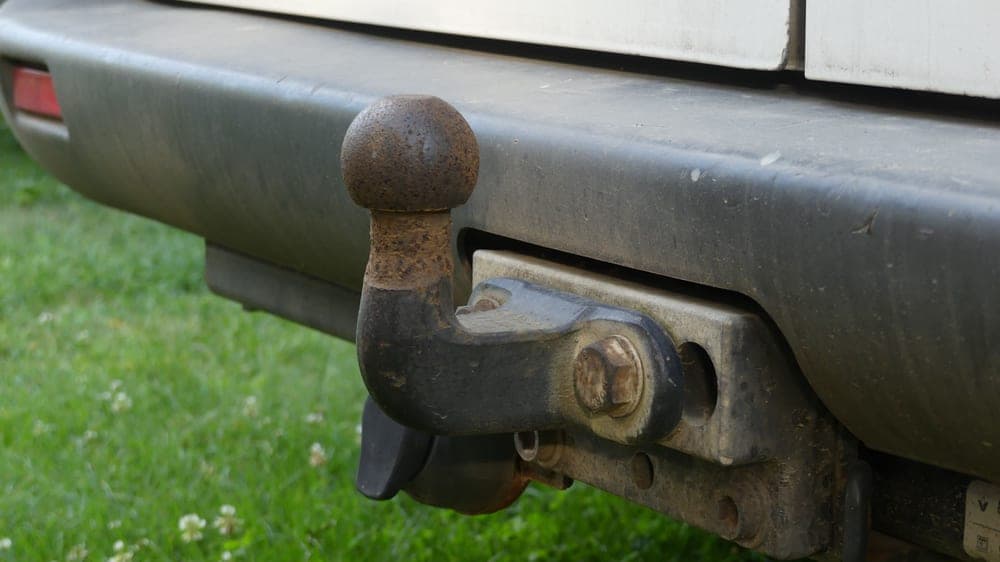
Hitch Classes Explained
Classes, receiver sizes and tongue weight ratings — and why tongue weight is the number that matters.
Top pick: MaxxHaul 70107
Do I Need Crossbars for a Roof Rack?
Rails versus crossbars, how to tell what you have, and the one case where rails alone work.
Top pick: Yakima JetStream

Roof Rail Types: Flush, Raised, Fixed Point and Bare
Four roof types, the hand test that tells them apart, and which fit kit each needs.
Top pick: Thule Evo Clamp foot pack

Roof Rack vs Cargo Box
Why a box needs a rack, what the full setup costs, and when a basket or bag beats both.
Top pick: Thule Force 3

Roof Rack or Hitch Carrier?
Bulky and light goes up top; heavy and dense goes on the back. The full comparison.
Top pick: MaxxHaul 70107

How to Tie Down a Kayak
The full sequence including bow and stern lines, correct tension, and the pre-drive checks.
Top pick: NRS Heavy-Duty Tie-Down Straps
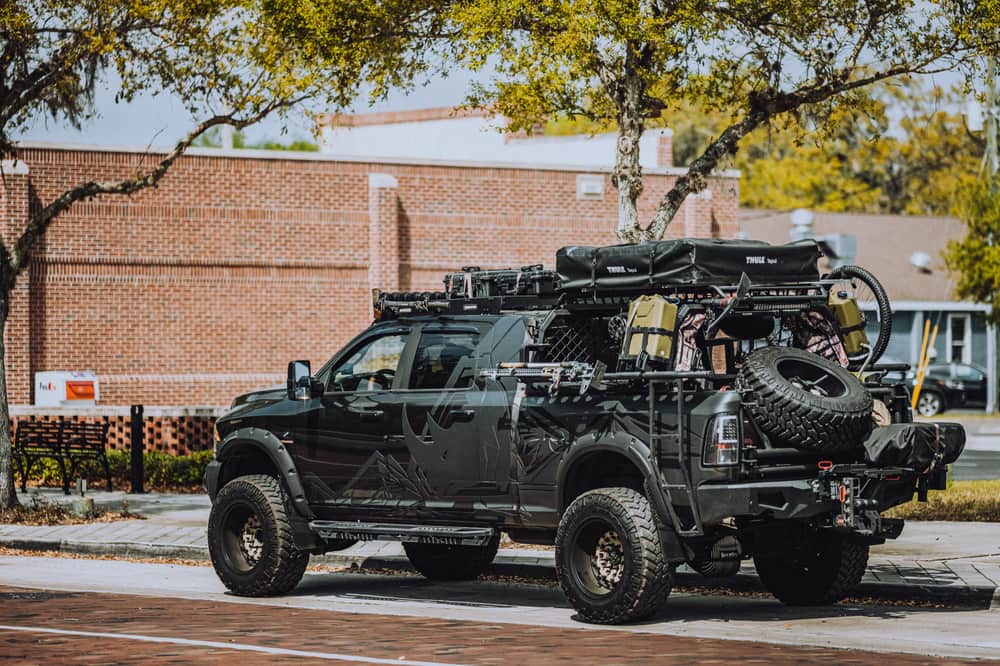
How to Tie Down Cargo
Anchor points, strap direction, correct tension, tail management and the pre-drive checks.
Top pick: Rhino USA Ratchet Straps (1 in x 15 ft)

How to Install a Roof Rack
Preparation, positioning, torque and the follow-up checks that prevent creeping and paint marks.
Top pick: Thule WingBar Evo
How to Load a Cargo Box
What goes in, what stays out, how to distribute the weight, and the pre-drive checks.
Top pick: Thule Motion 3

Are Roof Boxes Secure?
What roof box locks actually stop, where the real risk is, and how to plan around it.
Top pick: Thule Motion 3


Do Roof Racks Damage Your Car?
The three habits that cause rack damage, and how to avoid all of them.

Best gifts for road trippers
The Best Gifts for Road Trip Families
Gift ideas for people who pack the car to the roof — and what to check before buying.
Top pick: Rhino USA Ratchet Straps (1 in x 15 ft)

Best gifts for kayakers
The Best Gifts for Kayakers
Transport gear for paddlers — what fits any car, and what to check before buying a carrier.
Top pick: NRS Heavy-Duty Tie-Down Straps
Common questions
Do you test the products you recommend?
Why do you not publish prices?
How do I report an error in a guide?
Sources
Read the guides before you buy
What it costs you in mpg, whether it will be noisy, and how much your roof is actually allowed to carry — sourced, dated and honest about what nobody publishes.